
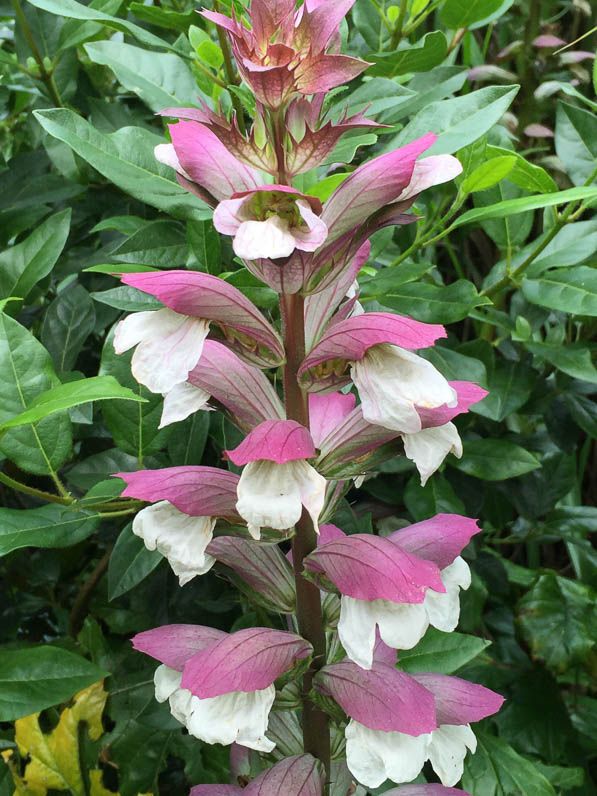
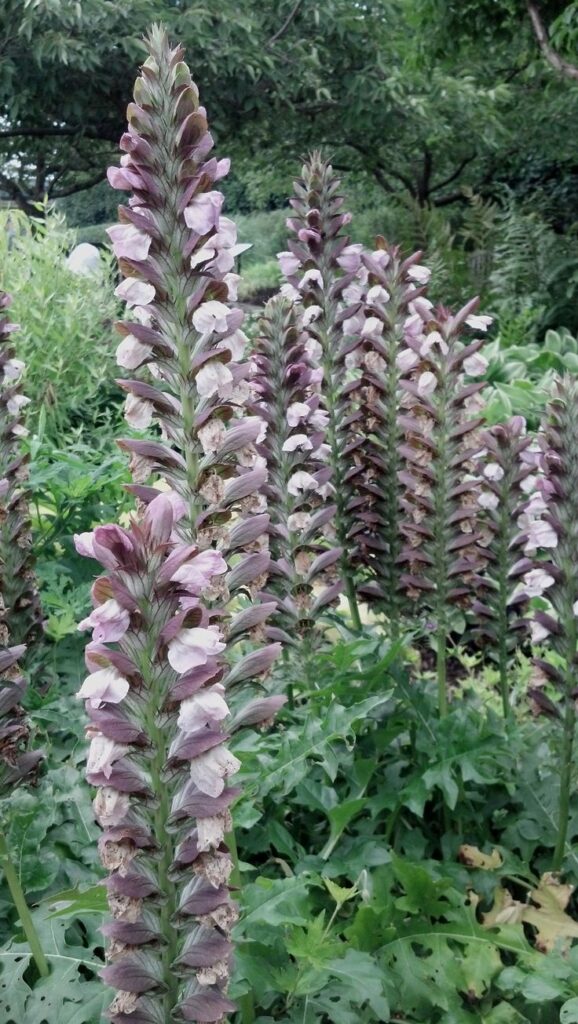
Acanthus (Acanthus mollis) is a flowering plant with a rich history, native to the Mediterranean region. Its striking, glossy leaves and tall spikes of white or purple flowers make it a popular ornamental plant.
In ancient Greece and Rome, acanthus was a symbol of endurance and resilience, often depicted in art and architecture. The plant’s ability to thrive in challenging conditions made it a revered motif.
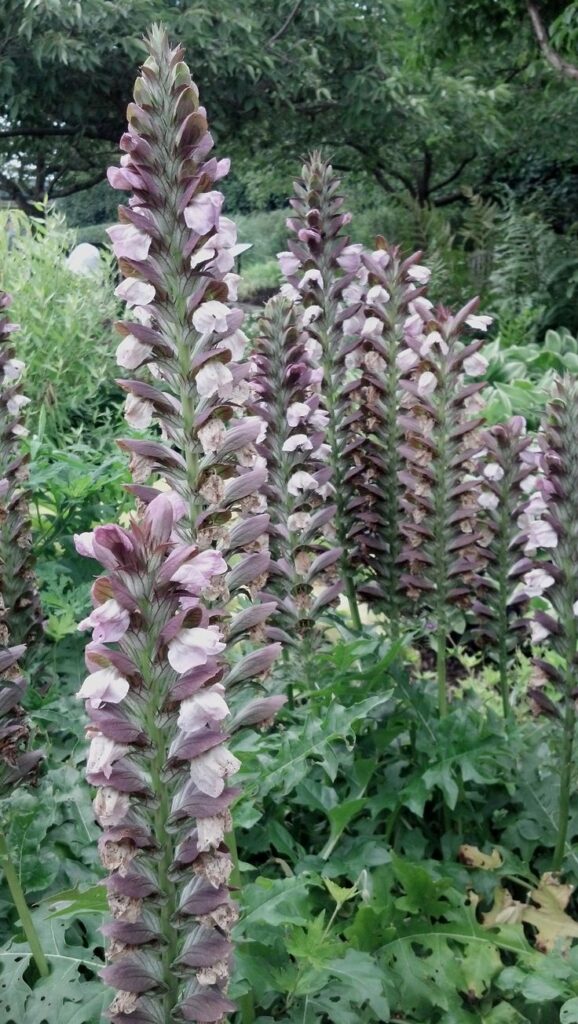
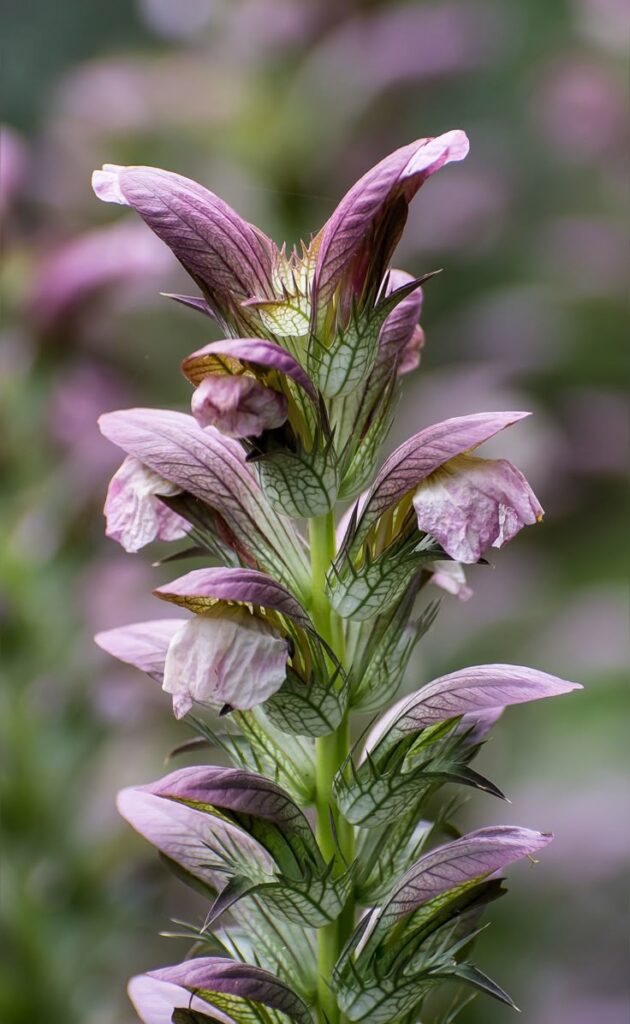
Acanthus has also been used in traditional medicine for its anti-inflammatory and antiseptic properties. Its leaves and roots have been used to treat various ailments, including skin conditions and respiratory issues.Today, acanthus is still valued for its beauty and durability, making it a popular choice for gardens and landscapes.Acanthus (Acanthus mollis) has been used in traditional medicine for various purposes. Some potential benefits include:
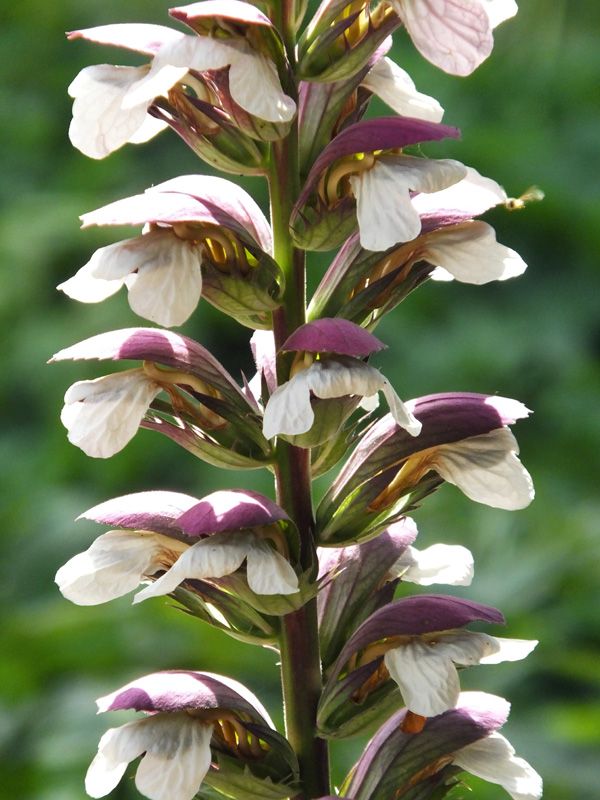
Anti-inflammatory properties: Acanthus may help reduce inflammation and alleviate symptoms of conditions like arthritis.
Antimicrobial effects: The plant’s extracts have shown activity against certain bacteria and fungi, which may help support immune health.
Respiratory support: Acanthus has been used to treat respiratory issues, such as coughs and bronchitis, due to its expectorant properties.
Skin and wound healing: The plant’s antiseptic and anti-inflammatory properties may aid in wound healing and reduce the risk of infection.