
Ginkgo Biloba


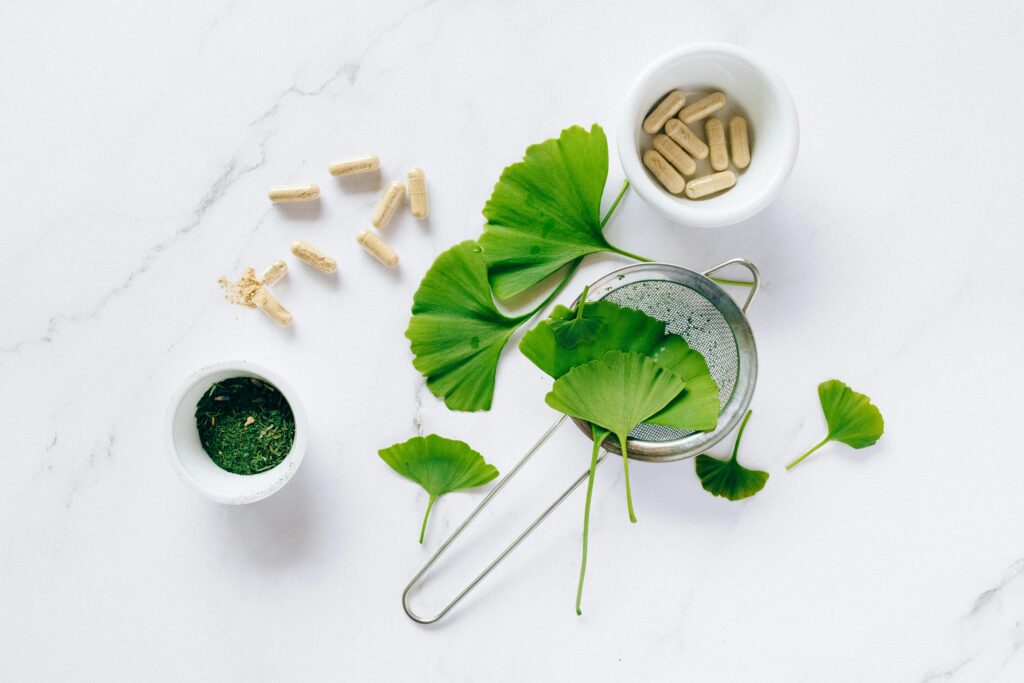
Ginkgo biloba is praised for boosting brain health (memory, focus, alertness) by improving blood flow, offering antioxidant protection, and easing anxiety/stress, plus it supports circulation, heart health, and may help with conditions like dementia, asthma, tinnitus, and sexual dysfunction due to its vasodilating and anti-inflammatory properties, though it’s crucial to consult a doctor before use.
🌿 KEY HEALTH BENEFITS👇
🧠 BRAIN HEALTH & COGNITION: Enhances blood flow to the brain, improving memory, focus, and concentration, and may help with age-related decline.
⭕ CIRCULATION: Dilates blood vessels and improves blood flow, benefiting conditions related to poor circulation like peripheral artery disease.
ANTIOXIDANT EFFECTS: Rich in flavonoids and terpenoids, it fights oxidative stress and cell damage.
😟ANXIETY & MOOD: May help manage stress, anxiety, and mood swings, potentially by influencing neurotransmitters and hormonal balance.
🦠INFLAMMATION: Its anti-inflammatory properties can help with conditions like asthma, migraines, and general body inflammation.
🫀HEART HEALTH: Supports cardiovascular health by preventing plaque buildup and improving blood flow.
👁️TINNITUS & EYE HEALTH: May reduce ringing in the ears (tinnitus) and benefit certain eye problems by improving circulation.
💥SEXUAL FUNCTION: May help with erectile dysfunction and low libido by increasing nitric oxide levels, which dilates blood vessels.
IMPORTANT CONSIDERATIONS
CONSULT A DOCTOR: Ginkgo is a supplement, not a cure, and can interact with medications (like blood thinners).
FORMS: Most commonly used as an extract in capsules or tablets.
Who should not take ginkgo biloba?👇
For people who have epilepsy or any type of seizure, large amounts of ginkgo may raise the risk of seizures. If you are older, have a bleeding condition, or are pregnant, don’t take ginkgo. The supplement might raise the risk of bleeding. If you’re having surgery, stop taking ginkgo two weeks before the surgery.