

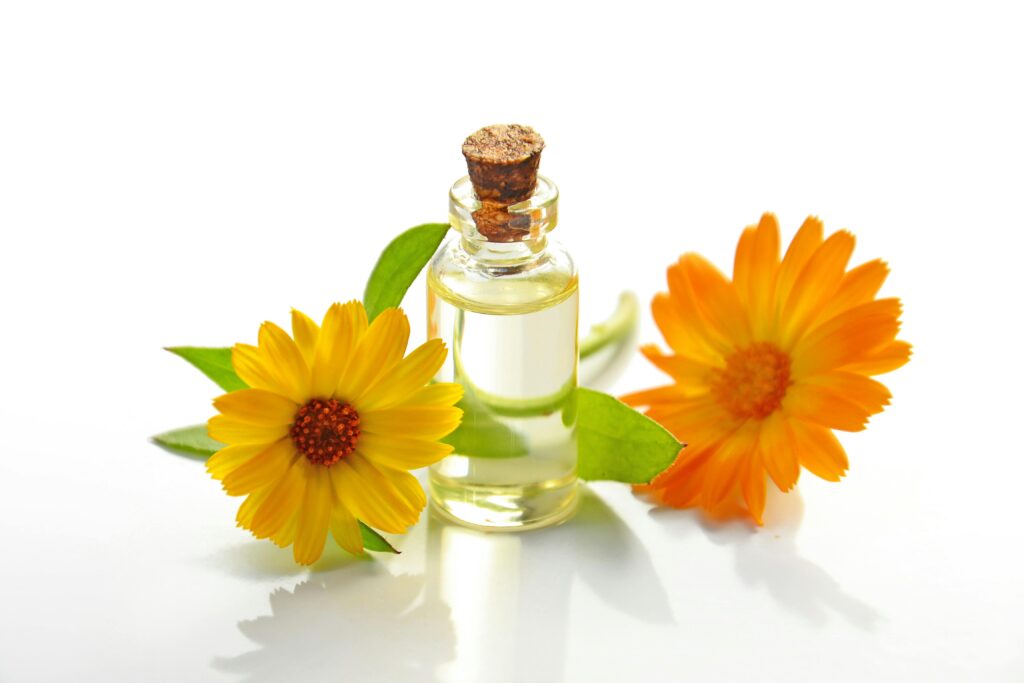

Chamomile, a flowering plant often consumed as an herbal tea, has been used for centuries for its potential medicinal benefits, largely attributed to its anti-inflammatory, antioxidant, and relaxing properties.
😴 RELAXATION AND SLEEP
PROMOTES SLEEP: Chamomile is widely known as a mild natural sedative. It contains an antioxidant called apigenin which is thought to bind to specific receptors in the brain that may promote sleepiness and reduce chronic insomnia. Reduces Anxiety and Stress: Studies suggest it may be helpful for mild to moderate cases of generalized anxiety and can help calm “nervous tension.”
🍎 DIGESTIVE HEALTH
SOOTHES STOMACH AILMENTS: Traditionally used for various gastrointestinal issues. Its anti-inflammatory and antispasmodic (muscle-relaxing) properties may help alleviate symptoms like indigestion, bloating, gas, stomach cramps, and diarrhea. Infant Colic: Products containing chamomile, sometimes combined with other herbs, have been found beneficial for infants with colic.
✨ SKIN AND EXTERNAL USES
ANTI-INFLAMMATORY AND HEALING: Chamomile’s anti-inflammatory properties make it popular for topical use. It has been traditionally used to help soothe and heal various skin conditions, including: Eczema and PsoriasisBurns, Cuts, and Wounds Skin irritations and rashes
ORAL HEALTH: Used in mouthwashes to help reduce swelling and irritation in the mouth (like from chemotherapy) and may help with conditions like gingivitis.
⚕️ OTHER POTENTIAL BENEFITS
ANTI-INFLAMMATORY EFFECTS: Its compounds, such as chamazulene and flavonoids, help reduce inflammation throughout the body.
ANTIOXIDANT PROPERTIES: Chamomile is rich in antioxidants, which help protect cells from damage and may contribute to better overall health.
MAY AID IN BLOOD SUGAR CONTROL: Some studies suggest that regularly consuming chamomile tea may help lower blood sugar levels and improve glycemic control, particularly in people with Type 2 diabetes.
REDUCES MENSTRUAL SYMPTOMS: Its anti-spasmodic and anti-anxiety properties may help relieve the discomfort and anxiety associated with premenstrual syndrome and menstrual cramps.
IMPORTANT NOTE: While chamomile is generally recognized as safe and its traditional uses are widely supported by preliminary research, it is not a substitute for medical treatment. If you are considering using chamomile for a serious medical condition or if you are taking medications (especially blood thinners or sedatives), it is always best to consult with a healthcare professional first.